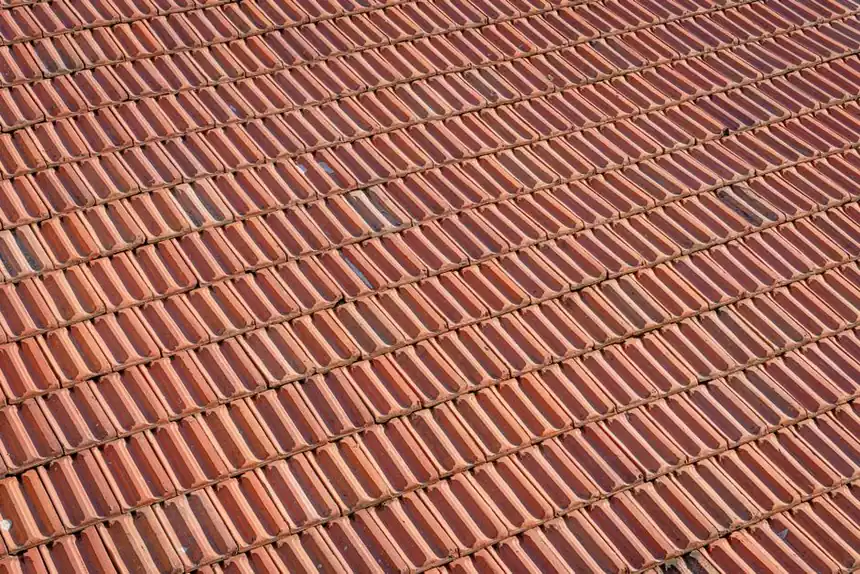
Your local Congress Roofing team

Roofing in Congress Built for Monsoon Winds and Desert Sun

Roofing in Congress means building against 100-plus-degree summers, monsoon gusts that peel shingles, and dust that works into every penetration. We have worked this high-desert terrain since 2019, and we know how Congress roofs fail before they do. Whether it is a cracked tile on a ranch home or a leaking valley on a commercial building, we inspect it, price it, and fix it right.

7Years serving Congress
24/7Emergency response
1,200+Roofs completed

Licensed · Upfront options · Clean work areas · Written guarantees

Roofing in Congress, Arizona Done by Local Crews

Arizona Roofing Pros has provided Roofing in Congress since 2019, working out of the same high-desert corridor as the homeowners and business owners we serve. Congress sits at roughly 3,000 feet in Yavapai County, where summer highs push past 105 degrees and monsoon storms roll in from the south with 50 mph gusts. That combination destroys asphalt architectural shingles faster than most of the Phoenix metro. We install GAF and Owens Corning systems rated for the wind and UV load here, and we back them with manufacturer warranty certifications. Our crews handle tile roofing on the older ranch properties, shingle roofing on newer builds, and flat membrane work on commercial roofs along Highway 89. Every job starts with a roof inspection that includes a moisture meter and infrared thermal camera scan, so we find the leak before we quote the repair. If you need Roofing in Congress that holds up past the next monsoon, we are the crew that lives and works here.

Explore Congress services →

Congress is a small, spread-out community where roofs take a beating from sun, wind, and dust. Many homes here were built between the 1970s and 2000s, and their original underlayment is now at or past the end of its service life. We serve this area because the demand is real and the nearest big-city contractors rarely drive out this far for a repair. We keep a crew assigned to the Congress and Wickenburg corridor so a leaking roof does not wait a week for a callback.

Arizona Roofing Pros
Services available in Congress

Roofing Services Available Throughout Congress

Congress roofs fail in predictable ways: sun-baked shingles, cracked tile, and flashing leaks after a monsoon. We run every core service here, from a one-hour leak repair to a full tear-off and replacement. If you are searching for a roofer near me in Congress who will actually return the call, our local crew covers it. We price the work upfront and schedule around the weather, not the other way around.

01
␁

Roof Installation

New roof installation in Congress starts with a deck inspection and a wind-rated underlayment system. We install GAF and Owens Corning architectural shingles and tile on new builds and additions from Highway 89 out toward the ranch parcels. Every install includes ice and water shield in valleys, new drip edge, and ridge and soffit vents sized for attic airflow in extreme heat.

See details ↓
02
↯

Roof Replacement

Full roof replacement in Congress means tearing off failing shingles or tile down to the sheathing, replacing any rotted OSB or plywood, and rebuilding with materials rated for 100-plus-degree heat. We handle 15 to 40 square residential replacements and commercial tear-offs. Most homes are done in two to four days, and we magnet-sweep the yard for nails before we leave.

See details ↓
03
≈

Roof Repair

Roof repair in Congress covers everything from three missing shingles after a monsoon to a persistent leak at a chimney flashing. We use a moisture meter and infrared thermal camera to trace the water path instead of guessing. Small repairs are often same-day, and we carry common tile and shingle profiles on the truck so we are not waiting on a special order.

See details ↓
04
◒

Roof Inspection

A Congress roof inspection includes a full walk of the roof, attic check, and drone photos of steep or two-story sections. We test suspect areas with a moisture meter and scan for hidden moisture with an infrared thermal camera. You get a written report with photos and a prioritized list, so you know what is urgent and what can wait until spring.

See details ↓
05
◎

Roof Maintenance

Roof maintenance in Congress is mostly about beating the sun and the wind. We clear debris from valleys and scuppers, reseal exposed fasteners and pipe boots, and check tile and ridge caps for movement. A twice-a-year visit, spring and fall, adds years to a roof that would otherwise cook through its underlayment by year 15.

See details ↓
06
+

Residential Roofing

Residential roofing in Congress covers ranch homes, manufactured homes, and custom builds on acreage. We work with asphalt architectural shingles, clay and concrete roof tiles, and modified bitumen on low-slope sections. Because we are local, we can tarp a storm-damaged roof the same day and schedule the permanent repair once the weather clears.

See details ↓
07
␁

Commercial Roofing

Commercial roofing in Congress means flat and low-slope systems on shops, garages, and small industrial buildings. We install and repair TPO membrane, EPDM membrane, and modified bitumen, and we keep ponding water and clogged scuppers from turning into interior damage. Work is scheduled around your business hours so you do not lose a day of operation.

See details ↓
08
↯

Tile Roofing

Tile roofing in Congress is common on older ranch properties and Spanish-style homes. We repair cracked or slipped tile, replace failed underlayment beneath the tile field, and re-bed ridge caps with roof tile foam adhesive. Tile itself can last 50 years, but the underlayment under it usually fails first, and that is where most leaks start.

See details ↓
09
≈

Shingle Roofing

Shingle roofing in Congress takes the hardest UV hit of any material we install. We use ASTM D3462-compliant asphalt architectural shingles from Malarkey, IKO, and TAMKO, all rated for high wind. We also replace the synthetic underlayment and ice and water shield while the deck is open, so the new shingles are not sitting on 20-year-old felt.

See details ↓
10
◒

Roof Leak Repair

Roof leak repair in Congress usually traces back to flashing, valleys, or a failed pipe boot, not the field of shingles. We find the source with a moisture meter and thermal scan, then repair it with proper metal flashing and roof sealants and mastics. If the leak is active during a storm, we tarp it first and return for the permanent fix.

See details ↓
Who we serve in Congress

Two very different jobs. One local crew.

For homes

Residential Roofing in Congress

Congress homes range from 1970s ranch houses to newer custom builds on acreage, and each one has its own roofing story. Older homes usually need underlayment and flashing work before they need new shingles. Newer homes need maintenance to keep the sun from aging the roof ahead of schedule. We handle both, and we price the work so you know what you are paying for before we start.

01Shingle roof replacement

We tear off failing asphalt shingles, replace any rotted OSB or plywood sheathing, and install new synthetic underlayment and ice and water shield before the new shingles go down. Most Congress homes are done in two to four days with a magnet sweep of the yard at the end.

02Tile roof repair and underlayment

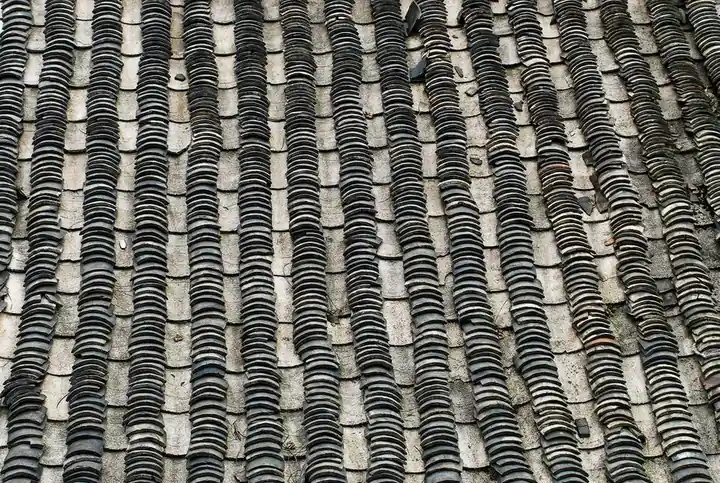
Tile roofs in Congress often leak because the underlayment failed, not the tile. We lift the tile, replace the felt underlayment with synthetic underlayment, re-bed the ridge caps with foam adhesive, and reinstall the original tile where it is sound.

03Leak detection and repair

We trace leaks with a moisture meter and infrared thermal camera instead of guessing. Most Congress leaks come from flashing, valleys, or pipe boots. We repair the source with proper metal flashing and sealants, then hose-test the fix before we leave.

04Storm damage and emergency tarping

After a monsoon, we tarp active leaks the same day and return for the permanent repair once the roof is dry. We document the damage with photos for your insurance claim and handle the repair so you are not waiting on a callback.

  • Written price before work starts, with no surprise charges for the inspection that found the problem.
  • Manufacturer warranty registration on qualifying shingle and tile systems, plus a written workmanship warranty.
  • Same-day tarp response during monsoon season so a small leak does not become a ceiling repair.
Get a home estimate →
For businesses

Commercial Roofing in Congress

Commercial buildings in Congress are mostly small shops, garages, and service businesses on flat or low-slope roofs. The recurring issues are ponding water, clogged scuppers, and membrane seams that open up after years of heat cycling. We schedule work around your operating hours so you do not lose a day of business, and we keep the work area clear for your customers and deliveries.

  • Retail shops
  • Auto service garages
  • Restaurants
  • Small offices
  • Storage and warehouse
01Work scheduled around business hours

We stage crews early and work in sections so your doors stay open. For a shop on the Highway 89 corridor, that means no lost sales day and no blocked customer parking. We coordinate the schedule with you before the first delivery arrives.

02Flat and low-slope membrane expertise

We install and repair TPO membrane, EPDM membrane, and modified bitumen, and we match the repair material to what is already on your roof. Mixing incompatible membranes causes premature failure, so we check before we order anything.

03Drain and scupper maintenance

Ponding water is the number one flat-roof problem in Congress. We clear scuppers and drains, repair the membrane around the drain, and hose-test the flow before we leave. That keeps monsoon rain moving off the roof instead of sitting on it.

04Photo documentation for property records

Every commercial job gets before-and-after photos and a written summary of the work. That documentation helps with property management records, insurance claims, and planning the next capital repair before it becomes an emergency.

Discuss a commercial contract →
Service by service in Congress

Every service we run in Congress.

Each service below is a full breakdown of how the work is scoped, priced and carried out in this city — not a generic description.

  1. 01Roof Installation↗
  2. 02Roof Replacement↗
  3. 03Roof Repair↗
  4. 04Roof Inspection↗
  5. 05Roof Maintenance↗
  6. 06Residential Roofing↗
  7. 07Commercial Roofing↗
  8. 08Tile Roofing↗
  9. 09Shingle Roofing↗
  10. 10Roof Leak Repair↗
01
Roof Installation in Congress

Roof Installation in Congress

Roofing in Congress demands a contractor who understands high-desert heat, monsoon microbursts, and the mix of historic and newer homes. Our installation crews work throughout Congress, from the older parcels near Ghost Town Road to newer builds off Highway 89. We install systems rated for intense UV and wind-driven rain, so your new roof performs for decades in this rugged Arizona climate.

a

Choosing Materials for Congress

Material selection matters in Congress, where summer attic temperatures can exceed 140 degrees. We help homeowners compare reflective shingles, standing-seam metal, and tile that suits the local architectural mix. Proper underlayment and ventilation are specified for the area's monsoon downpours, reducing the risk of leaks and premature aging on your new roof.

b

Permits and Local Codes

Yavapai County permitting and Congress-area HOA guidelines can affect your installation timeline. We handle documentation, inspections, and final sign-off so your project stays compliant. Our team knows the local requirements for wind uplift and fire-rated assemblies, which helps avoid costly delays and ensures your roof meets code from day one.

c

Installation Timeline and Process

Most Congress roof installations take one to three days depending on size, pitch, and material. We stage materials carefully on narrow lots and protect landscaping during tear-off. You receive daily progress updates, a magnetic nail sweep, and a final walkthrough, so you know exactly what was installed and how to maintain it.

02
Roof Replacement in Congress

Roof Replacement in Congress

Roof replacement in Congress is often the smartest long-term move when repairs pile up on aging shingles. Homes around Congress and the surrounding Yavapai County area face relentless sun and seasonal monsoon stress. We remove worn systems, correct underlying deck issues, and install replacement roofing built to handle the high desert. The result is a quieter, drier, more efficient home.

a

Signs You Need Replacement

Curling shingles, granule loss, and recurring leaks near chimneys are common in Congress after 15 to 20 years of sun exposure. If repairs no longer hold or you see sagging decking, replacement is usually more cost-effective. We provide a clear assessment so you can decide with confidence rather than guesswork.

b

Upgrading Ventilation and Insulation

A replacement is the ideal time to improve attic ventilation and insulation. In Congress, proper airflow reduces heat buildup that shortens roof life. We evaluate ridge, soffit, and static vents, then recommend upgrades that lower cooling costs and help your new roofing system last through many monsoon seasons.

c

Managing Replacement Costs

Replacement costs in Congress vary by material, square footage, and deck condition. We provide itemized estimates with no hidden fees, plus options for phased projects if needed. Financing and insurance documentation support are available, helping you plan a roof replacement that fits both your budget and long-term goals.

03
Roof Repair in Congress

Roof Repair in Congress

Roof repair in Congress calls for fast, targeted fixes that stand up to desert sun and sudden monsoon rain. From historic homes near the downtown core to rural properties off Date Creek Road, we diagnose leaks, wind damage, and flashing failures quickly. Our goal is to stop the problem, restore protection, and extend the life of your existing roof.

a

Common Repairs We Handle

We repair lifted shingles, cracked tiles, failed pipe boots, and rusted valley metal throughout Congress. Wind-driven rain often finds gaps at chimneys and skylights, so we reseal and reinforce those areas. Each repair uses materials matched to your existing roof for a clean, durable result.

b

Emergency Leak Response

When a storm hits Congress, water intrusion can damage ceilings and insulation fast. We offer prompt emergency response to tarp and stabilize the roof, then return for permanent repairs. This two-step approach protects your home immediately while ensuring the fix is done correctly once conditions allow.

c

Preventing Future Damage

After repairing your roof, we point out vulnerable areas that may need attention. In Congress, that often means sealing exposed fasteners, trimming overhanging branches, and checking attic ventilation. These small steps reduce the chance of repeat leaks and help you get more years from your current roofing system.

04
Roof Inspection in Congress

Roof Inspection in Congress

Roof inspection in Congress gives homeowners and buyers a clear picture of roof condition before problems escalate. We inspect shingles, flashing, valleys, and attic ventilation across properties in Congress and nearby rural areas. Our detailed reports cover remaining life, visible damage, and recommended next steps, helping you make informed decisions about maintenance, repair, or replacement.

a

What Our Inspection Covers

We examine roof surfaces, penetrations, gutters, and attic framing during every Congress inspection. Thermal imaging can reveal hidden moisture that is not visible from the exterior. You receive photos and a written summary noting urgent issues, routine maintenance items, and areas to monitor over the coming seasons.

b

Real Estate and Insurance Inspections

Buying or insuring a home in Congress often requires documented roof condition. Our inspection reports are formatted for real estate transactions and insurance underwriting, with clear notes on age, material, and remaining lifespan. This helps reduce surprises during closing and supports accurate policy decisions for your property.

c

Storm and Hail Assessments

After monsoon winds or hail move through Congress, a professional assessment helps document damage for insurance claims. We identify bruised shingles, dented metal, and compromised flashing, then provide photo evidence and a repair scope. This thorough approach supports your claim and ensures repairs address all affected areas.

05
Roof Maintenance in Congress

Roof Maintenance in Congress

Roof maintenance in Congress is the most cost-effective way to avoid emergency repairs and premature replacement. The high-desert climate punishes roofing with intense UV, dust, and seasonal monsoon rain. Our maintenance program targets the specific weak points we see on Congress homes, from sealant failure to clogged valleys, keeping your roof healthy year after year.

a

Seasonal Maintenance Schedule

We recommend twice-yearly maintenance in Congress: once before monsoon season and once after summer. Each visit includes debris removal, fastener checks, and sealant inspection. This schedule catches small issues before they become leaks and helps your roofing system handle the area's temperature swings and heavy seasonal rains.

b

Extending Roof Lifespan

Simple maintenance tasks can add years to a Congress roof. We reseal penetrations, replace damaged shingles, and clear gutters and valleys. We also check attic ventilation to reduce heat buildup. These steps slow wear from UV and moisture, protecting your investment and delaying the need for a full replacement.

c

Preventive Repairs and Sealing

Small cracks and lifted flashing are easy to ignore until water finds a path inside. Our preventive repairs in Congress focus on sealing pipe boots, chimney flashings, and valley joints before monsoon arrives. We use UV-resistant sealants rated for desert conditions, so repairs hold up through hot summers and sudden storms.

06
Residential Roofing in Congress

Residential Roofing in Congress

Residential roofing in Congress covers everything from modest single-story homes to rural properties with outbuildings. We understand the local housing mix, including older homes near the historic downtown and newer construction on the outskirts. Whether you need repairs, replacement, or a new roof, our crews deliver workmanship suited to Congress's climate and architectural character.

a

Homes We Serve in Congress

We roof ranch-style homes, manufactured houses, and custom builds throughout Congress. Each property type has different ventilation and flashing needs, especially where additions meet original rooflines. Our crews adapt installation methods to the home's structure, ensuring a proper fit and reliable protection against desert weather.

b

Materials for Desert Homes

For Congress homes, we recommend materials that resist UV fading and thermal shock. Class A fire-rated shingles, standing-seam metal, and clay or concrete tile are popular choices. We explain the pros and cons of each option, including cost, maintenance, and appearance, so you can choose the best fit for your home.

c

Working With Homeowners

We keep Congress homeowners informed from estimate to final walkthrough. You receive clear pricing, a projected schedule, and daily updates during installation. We respect your property, protect landscaping, and clean up thoroughly. Our goal is a smooth experience and a roof you can rely on for decades.

07
Commercial Roofing in Congress

Commercial Roofing in Congress

Commercial roofing in Congress requires systems that handle intense sun, dust, and monsoon rain while minimizing business disruption. We work with property managers, business owners, and facility teams on flat and low-slope roofs throughout the area. From small retail buildings to larger commercial structures, we deliver durable roofing solutions tailored to Congress's demanding high-desert environment.

a

Flat and Low-Slope Systems

Many Congress commercial buildings use flat or low-slope roofing, which needs proper drainage and UV-resistant membranes. We install and repair TPO, EPDM, and modified bitumen systems. Each project is designed to shed water during heavy monsoon rains and withstand years of sun exposure without premature cracking or blistering.

b

Minimizing Business Disruption

We schedule commercial roofing work in Congress to limit impact on your operations. Crews can phase projects, work early mornings, or coordinate around business hours. Clear communication and daily cleanup keep your parking areas and entrances accessible, so your customers and staff are not disrupted during the project.

c

Maintenance and Warranty Support

Commercial roofs in Congress benefit from scheduled maintenance to catch drainage issues and membrane damage early. We offer service agreements that include inspections, debris removal, and minor repairs. Our workmanship warranties provide added confidence, and we document every visit so you have a clear maintenance history for your building.

08
Tile Roofing in Congress

Tile Roofing in Congress

Tile roofing in Congress is a natural fit for the area's Southwestern architecture and harsh climate. Clay and concrete tiles resist UV fading, fire, and monsoon rain while adding lasting curb appeal. We install, repair, and replace tile roofs on homes throughout Congress, using proper underlayment and fastening methods that keep these heavy systems performing for decades.

a

Benefits of Tile in Congress

Tile roofs handle Congress heat exceptionally well, reflecting sun and resisting thermal cracking. They are fire-rated and hold up to monsoon rain when installed with quality underlayment. Homeowners appreciate the classic look and long lifespan, which often exceeds 40 years with proper maintenance and occasional tile replacement.

b

Installation and Underlayment

Proper tile installation in Congress starts with a strong underlayment layer, since tiles themselves shed most water but not all. We use high-temperature underlayment and corrosion-resistant fasteners suited to the desert. Correct flashing at valleys, chimneys, and vents prevents leaks and keeps the tile system performing as intended.

c

Repairing Cracked or Slipped Tiles

After monsoon winds or hail, Congress tile roofs may suffer cracked or slipped tiles. We replace damaged pieces and inspect the underlayment beneath for hidden tears. Matching existing tile color and profile keeps the roof looking uniform, while addressing the root cause prevents further water intrusion and costly interior damage.

09
Shingle Roofing in Congress

Shingle Roofing in Congress

Shingle roofing in Congress remains a popular choice for its balance of cost, appearance, and performance. Modern asphalt shingles are engineered to resist UV fading and wind uplift, making them well-suited to the high desert. We install and repair shingle roofs throughout Congress, using proper ventilation and underlayment to maximize lifespan in this challenging climate.

a

Choosing the Right Shingle

Not all shingles perform equally in Congress. We recommend architectural or impact-rated options with strong UV resistance and Class A fire ratings. These products handle temperature swings and monsoon rain better than standard three-tab shingles, and they come in colors that complement local home styles and HOA guidelines.

b

Proper Installation Matters

Correct installation is critical for shingle roofs in Congress. We use synthetic underlayment, ice-and-water shield at valleys, and six-nail patterns where wind uplift is a concern. Balanced intake and ridge ventilation reduce attic heat, which helps shingles last longer and lowers cooling costs during the area's hot summers.

c

Repair and Replacement Options

When shingles in Congress show granule loss, curling, or storm damage, we assess whether repair or replacement is the better value. Small areas can often be patched with matching shingles, while widespread wear calls for a full replacement. We provide clear options and pricing so you can choose confidently.

10
Roof Leak Repair in Congress

Roof Leak Repair in Congress

Roof leak repair in Congress requires quick diagnosis and durable fixes, especially when monsoon storms drive water into unexpected places. We track leaks to their source, whether at flashing, valleys, or worn shingles, and repair them using materials suited to the high desert. Our goal is to stop water intrusion and prevent further damage to your home.

a

Finding the Source of Leaks

Leaks in Congress often originate far from where water appears inside. We inspect attic framing, roof penetrations, and valley metal to trace the path. Thermal imaging and moisture meters help confirm the source, so repairs target the actual problem rather than just the visible stain on your ceiling.

b

Common Leak Points in Congress

Chimney flashing, pipe boots, and skylights are frequent leak points on Congress roofs due to sun-baked sealants and monsoon wind. We reseal or replace these components with UV-resistant materials. Valley joints and fasteners are also checked, since thermal expansion can open small gaps that let water in during heavy rain.

c

Emergency and Permanent Repairs

When a leak is active, we can tarp the area to prevent further damage, then return for a permanent repair. In Congress, that often means replacing failed flashing, sealing penetrations, or patching damaged shingles. We document the repair and advise on any related maintenance to reduce the chance of recurrence.

More than a service list

How We Execute Roofing Work in Congress

Congress sits in Yavapai County, and residential roofing here follows the Arizona Residential Building Code and IRC roofing provisions. That means proper ice and water shield in valleys, minimum fastening schedules for h

01

Monsoon winds tearing off shingles and ridge caps

Storms from July through September push 40 to 60 mph gusts across exposed ridgelines, lifting shingle tabs and cracking tile edges. Repairs spike right after each storm cell.

How we handle it We fasten to the manufacturer's high-wind schedule, use six nails per shingle where required, and re-secure ridge caps with foam adhesive. After a storm we tarp active leaks the same day and return for permanent repairs once the roof is dry.

02

Extreme UV cooking shingle and underlayment

Summer highs above 105 degrees break down asphalt binders and dry out synthetic underlayment years ahead of schedule. Granule loss and brittle shingles are the first signs.

How we handle it We install UV-rated architectural shingles and replace underlayment during any tear-off, even if the old felt looks intact. A spring maintenance visit catches granule loss early, before the mat is exposed and the roof starts leaking.

03

Dust and debris clogging valleys and scuppers

Desert dust, mesquite litter, and windblown grit collect in valleys and flat-roof drains, holding moisture against the roof surface and causing ponding water.

How we handle it We clear valleys and scuppers on every maintenance visit and use a power broom and leaf blower to remove debris without scratching the membrane. On flat roofs we check drain flow with a hose test before we call the job done.

Recent work in Congress

Recent Roofing Work Around Congress

These are jobs we have run in and around Congress. They show what the work actually looks like here, from the first inspection to the final cleanup.

01 Ghost Town Road area
The problem
A ranch home near Ghost Town Road lost a dozen shingles and had an active leak at the valley after a July monsoon cell.
What we did
We tarped the roof the same day, then returned once it dried to replace the damaged shingles, rebuild the valley with new metal flashing and ice and water shield, and reseal the pipe boots. We matched the existing shingle profile from stock on the truck.
The result
Leak stopped, no interior damage beyond a small ceiling stain, and the repair was completed in a single return visit.
02 Downtown Congress
The problem
A 1970s tile roof in downtown Congress had cracked and slipped tiles and underlayment that had failed under the tile field.
What we did
We removed the tile in the affected sections, replaced the failed felt underlayment with synthetic underlayment, re-bedded the ridge caps with roof tile foam adhesive, and reinstalled the original tile where it was sound. Cracked tiles were replaced with matching profiles.
The result
The leak at the ridge stopped and the homeowner avoided a full tile tear-off, saving thousands versus replacement.
03 Highway 89 corridor
The problem
A shop on the Highway 89 corridor had ponding water on a flat roof and a clogged scupper that was backing water toward the wall.
What we did
We cleared the scupper, repaired the TPO membrane around the drain, and resealed the seams with compatible membrane and mastic. We also adjusted the drain flow so water moves off the roof instead of pooling.
The result
Ponding resolved, no interior water intrusion after the next storm, and the repair was done in one day without closing the shop.
Arizona Roofing Pros team
Early warning signs

Signs You Need Roofing Work in Congress

01Shingle granules collecting in gutters and at downspouts

02Cracked, slipped, or missing roof tiles

03Water stains on ceilings or walls after a storm

04Daylight visible through attic roof boards

05Popping or creaking sounds from the roof on hot days

Have us take a look →
Congress problem patterns

Common Roofing Problems in Congress

Congress roofs deal with a specific set of pressures: intense UV, monsoon wind, dust, and a building stock that is now 20 to 50 years old. Those factors drive most of the calls we get. Understanding why they happen helps you decide what to fix and when.

01

Monsoon wind damage and missing shingles

Why it happens Summer storms push 40 to 60 mph gusts across open ground, lifting shingle tabs and cracking tile edges. Roofs with older or improperly fastened shingles lose material first, and once a tab lifts, the next storm takes more.

Our approach We fasten to the manufacturer's high-wind schedule, use six nails per shingle where required, and re-secure ridge caps with foam adhesive. After a storm we tarp active leaks the same day and return for permanent repairs once the roof is dry.

02

Roof leaks at flashing and valleys

Why it happens Flashing and valleys take the most water and the most thermal movement. Sealant dries out and cracks after a few summers, and metal flashing can pull away from the wall or chimney. These are the number one source of leaks we find in Congress.

Our approach We rebuild valleys with new metal flashing and ice and water shield instead of smearing more sealant over a failed joint. Chimney and skylight flashing gets replaced, not patched, and we test the repair with a hose before we leave.

03

Tile underlayment failure under intact tile

Why it happens Tile can last 50 years, but the felt underlayment beneath it usually fails in 15 to 20. Once it dries out and cracks, water passes under the tile field and shows up as a ceiling stain far from the actual leak. Homeowners often think the tile is the problem when it is not.

Our approach We lift the tile in the affected area, replace the failed underlayment with synthetic underlayment, and reinstall the original tile where it is sound. That fixes the leak without the cost of a full tile replacement.

04

Ponding water and clogged scuppers on flat roofs

Why it happens Desert dust and debris collect in drains and scuppers, and monsoon rain arrives faster than a clogged drain can move it. Standing water then works at membrane seams and adds weight the roof was not designed to carry.

Our approach We clear scuppers and drains, repair the membrane around the drain, and reseal the seams with compatible membrane and mastic. We hose-test the drain flow before we leave so you know water is moving off the roof.

Congress through the year

How Seasons Affect Roofing in Congress

Congress roofing runs on a seasonal clock. Fall is the best window for replacements, spring is for catching winter damage, and summer is when monsoon repairs spike. Knowing what to do when helps you avoid an emergency call in the middle of a storm.

❄

Fall

October and November bring the most stable weather of the year, with mild days and low storm risk. This is the best window for full replacements and major repairs in Congress. Material deliveries are easier and crews can work full days without heat breaks.

Tip Schedule your replacement or major repair now. Fall slots fill first because every roofer in the area is trying to finish before winter.

❅

Winter

Congress winters are cold but mild compared to northern Arizona. Overnight freezes can make sealants and mastics slow to cure, and occasional rain still finds any flashing that was not repaired in fall. Wind exposure stays high on open parcels.

Tip Get a pre-spring inspection done in January or February. It catches flashing and fastener issues while the weather is calm and before the spring winds arrive.

❊

Spring

March through May brings wind and the first warm days. Winter moisture and spring gusts expose loose flashing, backed-out fasteners, and shingles that lifted over the winter. This is when we find the most hidden damage during inspections.

Tip Book a spring maintenance visit to reseal fasteners, check ridge caps, and clear winter debris from valleys before the summer heat sets in.

☀

Summer

June through September is the hardest stretch for Congress roofs. Highs above 105 degrees break down shingles and underlayment, and monsoon storms from July on bring wind and heavy rain. Repair calls spike right after each storm cell.

Tip If a storm damages your roof, call the same day for a tarp. Do not wait, because the next storm can turn a small repair into interior water damage.

We know the route

Navigating Congress and the Surrounding Area

Congress is a small community, but the roads spread out fast once you leave Highway 89. We use the local landmarks to orient crews and confirm addresses, especially on rural parcels where GPS drops pins in the wrong spot. Knowing the terrain saves us a wasted trip and gets a tarp on your roof sooner.

ACongress

Congress Cemetery

A well-known reference point on the north side of town. We use it to orient crews heading to properties off the surrounding rural roads, where address markers are sparse and driveways are easy to miss.

ACongress

Congress Elementary School

A central landmark near the town core. It helps us route crews to nearby residential streets and schedule work outside school drop-off and pickup hours to keep the streets clear.

ACongress

Congress Community Center

A familiar gathering point in town. We use it as a navigation anchor for the surrounding residential blocks and for staging on larger jobs where we need a safe place to park a trailer.

ACongress

Highway 89

The main route through Congress and the spine of our service area. Most of our commercial work and material deliveries run along this corridor, and it is how we reach the rural roads on either side.

CONGRESS
AREA
AAAAA
Primary Congress response zone
Congress service coverage

Is your ZIP on the route?

These are our most frequently served ZIP codes. Nearby areas may also qualify—call if you do not see yours.

85332
Popular neighborhoods

Downtown Congress · Congress Acres · Highway 89 Corridor · Ghost Town Road Area

Check my address →
Congress Roofing FAQ

Roofing in Congress: Common Questions

A real dispatcher is available if your question is not answered here.

Call +18337603268 →

Most roof repairs in Congress run $350 to $900 in 2026, depending on the leak source and how much material is involved. A simple pipe boot or flashing repair sits at the low end. A valley rebuild or a section of replaced tile underlayment runs higher. We inspect first, then give you a written price before any work starts.

A typical shingle replacement on a Congress home takes two to four days from tear-off to cleanup. Larger homes or tile roofs can run five to seven days because of the extra labor to remove and reinstall the tile field. Weather is the main variable, since monsoon storms can pause work for a day.

Yes, most roof replacements in Congress require a permit through Yavapai County, and the work must meet Arizona Residential Building Code roofing provisions. We pull the permit and schedule the inspection as part of the job. Skipping the permit can cause problems when you sell the home.

Once a year is the minimum for a Congress roof, and twice a year is better given the UV and monsoon exposure. We recommend a spring inspection after the winter winds and a fall inspection before the next storm season. Homes over 15 years old benefit from an annual check with a moisture meter scan.

Yes, in most cases we can. Tile itself often lasts 50 years, but the underlayment beneath it fails in 15 to 20. We lift the tile in the affected area, replace the failed underlayment with synthetic underlayment, and reinstall the original tile where it is sound. That fixes the leak without a full tear-off.

Credentials on file

Licensed and Local in Congress

Licenses

Arizona Registrar of Contractors (ROC) Residential Roofing License
ROC Residential Roofing
Arizona Registrar of Contractors (ROC) Commercial Roofing License
ROC Commercial Roofing

Certifications

GAF Master Elite Certification
GAF
Owens Corning Preferred Contractor
Owens Corning
CertainTeed SELECT ShingleMaster
CertainTeed

Insurance

Statewide commercial roofing carrier
$2M general liability and full workers' compensation

Local affiliations

  • Yavapai County Contractors AssociationMember
  • National Roofing Contractors Association (NRCA)Member
Arizona Roofing Pros ready to serve Congress
Congress dispatch is ready

Get Your Free Roofing in Arizona Inspection Today

Licensed, insured, and warrantied. One call gets a drone inspection, a written estimate, and a crew that shows up when we say we will. Call +18337603268 now.

Book Congress service →24/7: +18337603268
Request Congress service

Send the details. We'll handle the next step.

Tell us what you are seeing and where you are located. Our team will call to confirm the right appointment type and timing.

Congress service hubCongress, Arizona+18337603268Open 24 hours · 7 days a week
↗
Emergency?Call now